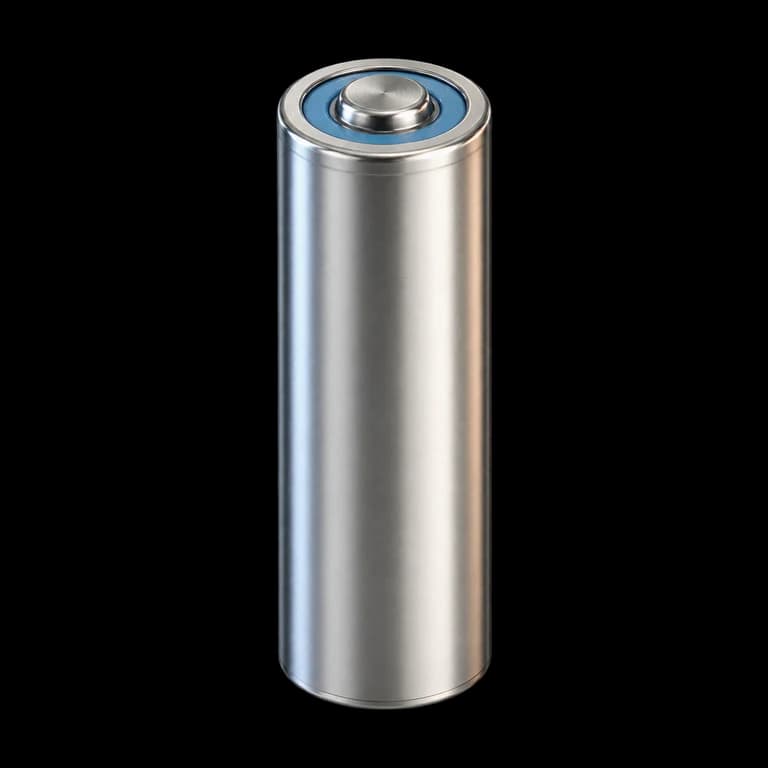
Far East Battery (FEB) 21700G/68E
FEB 21700G/68E rechargeable lithium-ion cell. Revision A/03 specifies 6,500 mAh nominal capacity; 68E is a model designation, not a 6.8 Ah rating. Cathode chemistry is not specified in this source. Diameter 21.65 +/-0.2 mm, height 70.95 +/-0.2 mm; weight <=75 g. Continuous discharge up to 13 A only at 0 <= cell surface temperature <35 C, with lower limits outside this band. Cycle specification: 1,000 cycles to >=70% retention, room temperature, 0.5C charge/1C discharge, 4.20-2.75 V.
Capacity
6.5Ah
Chemistry
Unspecified
Format
Cylindrical
Weight
75g
Specification
Engineering parameters
Core fields 4/4 · 1 individually confirmed fields
Coverage counts capacity, voltage, dimensions and weight; it does not certify the model. Missing fields are not zero. Expand each metric to inspect its conditions and evidence.
Conditions & source
明确环境充电0~45℃,表面超过60℃须终止,表面保护范围不替代环境范围。
Source version: A/03 · Page 11
Original excerpt
Product Specification DOC NO.:YDLD/PS-RD-072 Version: A/03 FEB Confidential ©FEB All rights reserved. Page: 11/18 5 Cell safety criterion 电芯安全准则 5.1 Design and usage of chargers and battery packs 充电器和电池组设计及使用注意事项 5.1.1 Charge 充电 5.1.1.1 The cell should be charged by constant current charge - constant voltage charge. The charging voltage of a single cell should not exceed 4.20V , and the cut -off current of charging should be greater than or equal to 1/50C (130mA). Considering the control deviation of the charger, the charging voltage of the cell must be lower than 4.20V . Even in exceptional circumstances, the charging voltage shall not exceed 4.25 V to avoid overcharging. Charging voltage higher than 4.20V will shorten the cell cycle life. 电芯应该使用恒流-恒压充电的方式进行充电。单体电芯的充电电压不能超过4.20V,充电截止电流大于等 于 1/50C(130mA)。考虑到充电器的控制偏差,必须保证电芯充电电压低于4.20V。即使在异常情况下, 充电电压不可超过 4.25V 以避免过充电。充电电压高于 4.20 V 会导致电芯循环寿命缩短。 5.1.1.2 Chargers should be equipped with a complete charge detection device. The charging detection device can be checked by timer, current detection or open circuit voltage detection to detect the charging state. When the charging detection device detects that the cell is fully charged, the charging circuit should be completely cut off to avoid trickling charge. The operating ambient temperature range for cell charging is 0° C to +45° C. During the charging process, if the surface temperature of the cell exceeds 60° C, charging must be terminated. It should be placed until the cell temperature reaches the above range. 充电器应该配备一个完整的充电检测装置。充电检测装置能够通过计时器、电流检测或者开路电压检测, 检测到电池满充电的状态。当充电检测装置检测到电池充满电后,应该完全切断充电电路,避免产生涓流 充电。电芯充电环境温度范围为 0° C~+45° C。充电过程中,如果电芯表面温度超过 60° C,必须终止充电。 应将其静置直至电芯温度达到上述范围。 5.1.2 Discharge 放电 5.1.2.1 Single cell discharge current should be less than maximum discharge current. 单体电芯放电电流需小于最大放电电流。 5.1.2.2 The discharge cutoff voltage of the cell shall be higher than 2.5V. 电芯放电终止电压需高于 2.5V。 5.1.2.3 The discharge temperature of the cell range from -20° C to +60° C. During the discharge process, if the surface temperature of the cell exceeds 70 ° C, the discharge must be terminated. 电芯放电温度范围为-20° C ~ +60° C,放电过程中,如果电芯表面温度超过 70° C,必须终止放电。 5.1.3 Over-discharges 过放电 If the voltage of a single cell is lower than 2.5V , the cell is considered to be over discharged and cannot be used anymore. 如果单体电池的电压低于 2.5V,电池被认为是过放电,不能继续使用。 5.1.4 Storage 存储 The cell should be stored in a dry (0~50%RH) and non -corrosive gas environment, do not allow the cell to bear any pressure, and there should be no condensed liquid attached to the surface of the cell. 电芯应在干燥 (0~50%RH)无腐蚀性气体的环境下储存,不要让电芯承受任何压力, 且不能有冷凝液体附 着在电芯表面。
明确环境放电-20~60℃,表面超过70℃须终止,表面保护范围不替代环境范围。
Source version: A/03 · Page 11
Original excerpt
Product Specification DOC NO.:YDLD/PS-RD-072 Version: A/03 FEB Confidential ©FEB All rights reserved. Page: 11/18 5 Cell safety criterion 电芯安全准则 5.1 Design and usage of chargers and battery packs 充电器和电池组设计及使用注意事项 5.1.1 Charge 充电 5.1.1.1 The cell should be charged by constant current charge - constant voltage charge. The charging voltage of a single cell should not exceed 4.20V , and the cut -off current of charging should be greater than or equal to 1/50C (130mA). Considering the control deviation of the charger, the charging voltage of the cell must be lower than 4.20V . Even in exceptional circumstances, the charging voltage shall not exceed 4.25 V to avoid overcharging. Charging voltage higher than 4.20V will shorten the cell cycle life. 电芯应该使用恒流-恒压充电的方式进行充电。单体电芯的充电电压不能超过4.20V,充电截止电流大于等 于 1/50C(130mA)。考虑到充电器的控制偏差,必须保证电芯充电电压低于4.20V。即使在异常情况下, 充电电压不可超过 4.25V 以避免过充电。充电电压高于 4.20 V 会导致电芯循环寿命缩短。 5.1.1.2 Chargers should be equipped with a complete charge detection device. The charging detection device can be checked by timer, current detection or open circuit voltage detection to detect the charging state. When the charging detection device detects that the cell is fully charged, the charging circuit should be completely cut off to avoid trickling charge. The operating ambient temperature range for cell charging is 0° C to +45° C. During the charging process, if the surface temperature of the cell exceeds 60° C, charging must be terminated. It should be placed until the cell temperature reaches the above range. 充电器应该配备一个完整的充电检测装置。充电检测装置能够通过计时器、电流检测或者开路电压检测, 检测到电池满充电的状态。当充电检测装置检测到电池充满电后,应该完全切断充电电路,避免产生涓流 充电。电芯充电环境温度范围为 0° C~+45° C。充电过程中,如果电芯表面温度超过 60° C,必须终止充电。 应将其静置直至电芯温度达到上述范围。 5.1.2 Discharge 放电 5.1.2.1 Single cell discharge current should be less than maximum discharge current. 单体电芯放电电流需小于最大放电电流。 5.1.2.2 The discharge cutoff voltage of the cell shall be higher than 2.5V. 电芯放电终止电压需高于 2.5V。 5.1.2.3 The discharge temperature of the cell range from -20° C to +60° C. During the discharge process, if the surface temperature of the cell exceeds 70 ° C, the discharge must be terminated. 电芯放电温度范围为-20° C ~ +60° C,放电过程中,如果电芯表面温度超过 70° C,必须终止放电。 5.1.3 Over-discharges 过放电 If the voltage of a single cell is lower than 2.5V , the cell is considered to be over discharged and cannot be used anymore. 如果单体电池的电压低于 2.5V,电池被认为是过放电,不能继续使用。 5.1.4 Storage 存储 The cell should be stored in a dry (0~50%RH) and non -corrosive gas environment, do not allow the cell to bear any pressure, and there should be no condensed liquid attached to the surface of the cell. 电芯应在干燥 (0~50%RH)无腐蚀性气体的环境下储存,不要让电芯承受任何压力, 且不能有冷凝液体附 着在电芯表面。
Conditions & source
mV and the internal resistance difference within 6mΩ should be guaranteed at least. 电芯进行串并使用时, 需使用相同档位, 相同批次及相同充电状态电芯, 可以从内外箱标签上获得此信息。 电芯使用前需检测电压内阻,并按照其用途进行组配,远东电池建议至少保证组配使用电芯电压 20mV 以内,内阻差 6mΩ 以内。
Source version: A/03 · Page 14
Source datasheet (access rules apply)Not provided: Max pulse charge, Max pulse discharge.
Source note: Values should be verified against the latest manufacturer datasheet before pack design or procurement approval. Calculated values derive from the nominal figures above and are not manufacturer ratings.