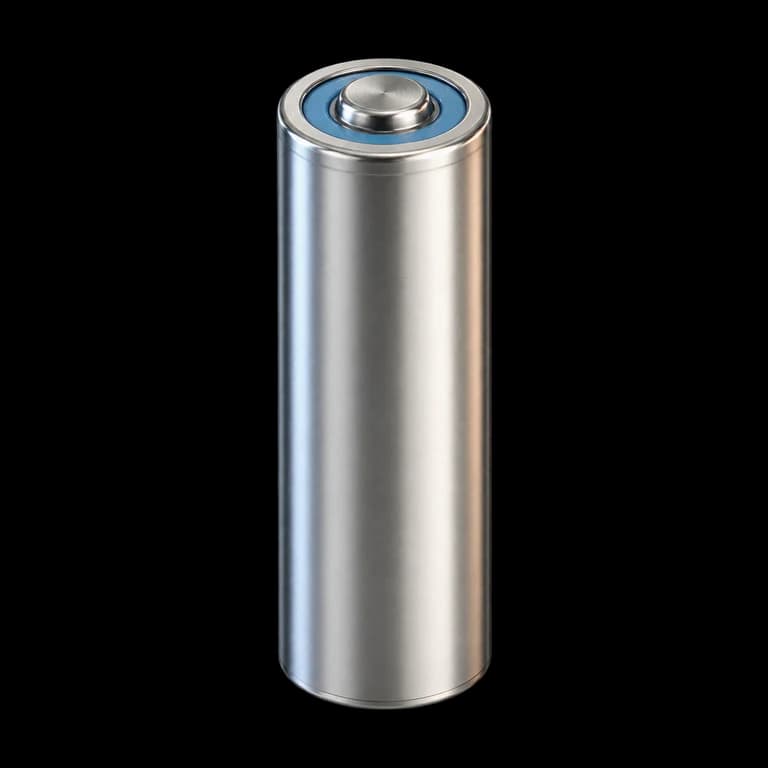
Highstar ISR18650-2200
Highstar ISR18650-2200: 2.2Ah, 3.7V NMC cylindrical battery cell. Dimensions Ø18.5 × 65.1 mm, weight 44.5g.
Capacity
2.2Ah
Chemistry
NMC
Format
Cylindrical
Weight
44.5g
Specification
Engineering parameters
Core fields 4/4 · 0 individually confirmed fields
Coverage counts capacity, voltage, dimensions and weight; it does not certify the model. Missing fields are not zero. Expand each metric to inspect its conditions and evidence.
Conditions & source
9.2.2原图中英文均为环境放电-20~60℃,OCR丢失负号,不采用+20℃。
Source version: 609-2024 · Page 14
Original excerpt
DOC NO . : PRODUCT HIGHßTAR SHEET SPECIFICATION ECN NO. · 充 电 电 压 . ISR18650 . 2200 14 OF 18 Q 丿 KAGG60 美 2024 充 电 器 和 电 池 保 护 电 路 设 计 的 最 高 充 电 电 压 极 限 为 4 . 25v , 电 芯 电 压 高 于 极 限 电 压 值 时 , 将 可 能 引 起 电 芯 的 充 放 电 性 能 、 机 械 性 能 和 安 全 性 能 的 问 題 , 可 能 会 导 致 发 热 或 泄 漏 。 9 . 1.3 Charge Temperature: ln case ofenvironment temperature is lower than 0 ℃ , batteries shall be charged with a little current (no larger than O.5C). lfthe environment temperature is lower than 0 ℃ , charge shall be prohibited. 充 电 温 度 : 环 境 温 度 低 于 10 ℃ 时 , 只 能 以 小 电 流 ( 不 得 大 于 0 , 50 充 电 ; 当 环 境 温 度 低 于 0 ℃ 时 , 应 禁 止 充 电 。 9 , 1 . 4 Prohibition of Reverse Charge: Reverse charging is prohibited. Cells shall be connected correctly. The polarity has be confinned before wtring. ln case ofthe cell is connected improperly, the cell cannot be charged. the reverse charging may cause damage to the cell which may lead tO degradation of cell performance and damage the cell safety , and could cause heat generation or leakage. 禁 止 反 向 充 电 : 正 确 连 接 电 池 的 正 负 极 , 严 禁 反 向 充 电 。 若 电 池 正 负 极 接 反 , 应 保 证 无 法 对 电 芯 进 行 充 电 。 反 向 充 电 会 降 低 电 芯 的 充 放 电 性 能 、 安 全 性 , 并 会 导 致 发 热 、 泄 漏 。 9 . 2 Discharge 放 电 9 , 2 . 1 Discharge Current: The cell shall be discharged at less than the maximum discharge current specified in the Product Specification. High discharging current may reduce the discharge capacity significantly or cause over-heat. 放 电 电 流 : 放 电 电 流 不 得 超 过 本 标 准 书 规 定 的 最 大 放 电 电 流 , 大 电 流 放 电 会 导 致 电 芯 容 量 剧 减 并 导 致 过 热 。 9 . 2 . 2 Discharge Temperature: Cells shall be discharged at . 20 ℃ ~ 60 ℃ environment temperature specified in the Product Specification 放 电 温 度 : 电 芯 必 须 在 -20 ℃ 一 60 ℃ 的 环 境 温 度 范 围 内 进 行 放 电 。 9 . 2 . 3 over-discharge. lt should be noted that cells would be at an over-discharged status due to self-discharge characteristics in case they were not used for a long time. ln order tO prevent over-discharging, cells shall be charged periodically 庵 Over-discharging may cause the loss ofcell performance , characteristics , 0 「 battery functions. 过 放 电 : 需 注 意 的 是 , 在 电 芯 长 期 未 使 用 期 间 , 它 可 能 会 因 其 自 放 电 特 性 而 处 于 某 种 过 放 电 状 态 。 为 防 止 过 放 电 的 发 生 , 电 芯 应 定 期 充 电 。 过 放 电 会 导 致 电 芯 性 能 、 电 池 功 能 的 丧 失 。 9 . 3 Notices for Designing Battery Pack 电 池 组 结 构 设 计 注 意 事 项 9 . 3 」 Pack Design 外 壳 设 计
Not provided: Max continuous charge, Max continuous discharge, Max pulse charge, Max pulse discharge, Internal resistance, Cycle life.
Source note: Values should be verified against the latest manufacturer datasheet before pack design or procurement approval. Calculated values derive from the nominal figures above and are not manufacturer ratings.
Second source
Similar cells
Same chemistry and format, with nominal capacity within 10%. This is a starting point, not a confirmation that the cells are interchangeable.